The term “sustainability” was first coined by Hans Carl von...
Read MoreCONNECTING PEOPLE FOR SUSTAINABLE TOMORROW


Join us in revolutionizing agriculture through eco-friendly practices and organic solutions. Together, we empower communities and build a sustainable future for farmers and nature
Recent
Highlights
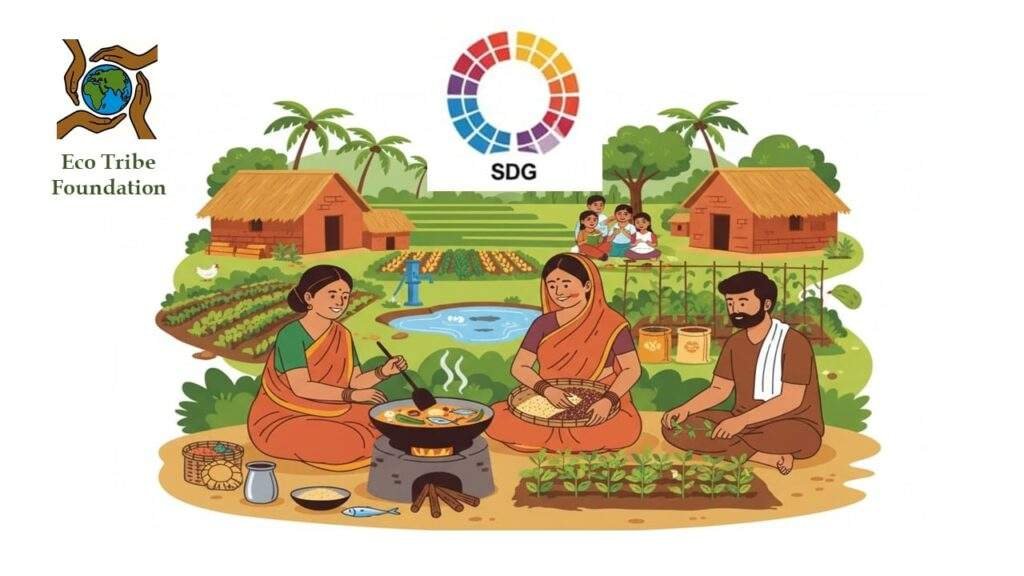
In rural West Bengal, India, traditional kitchens are emerging as living classrooms of sustainability. Through Eco Tribe Foundation’s initiative, communities revive indigenous crops, conserve biodiversity, and advance the SDGs—linking taste, tradition, and resilience.
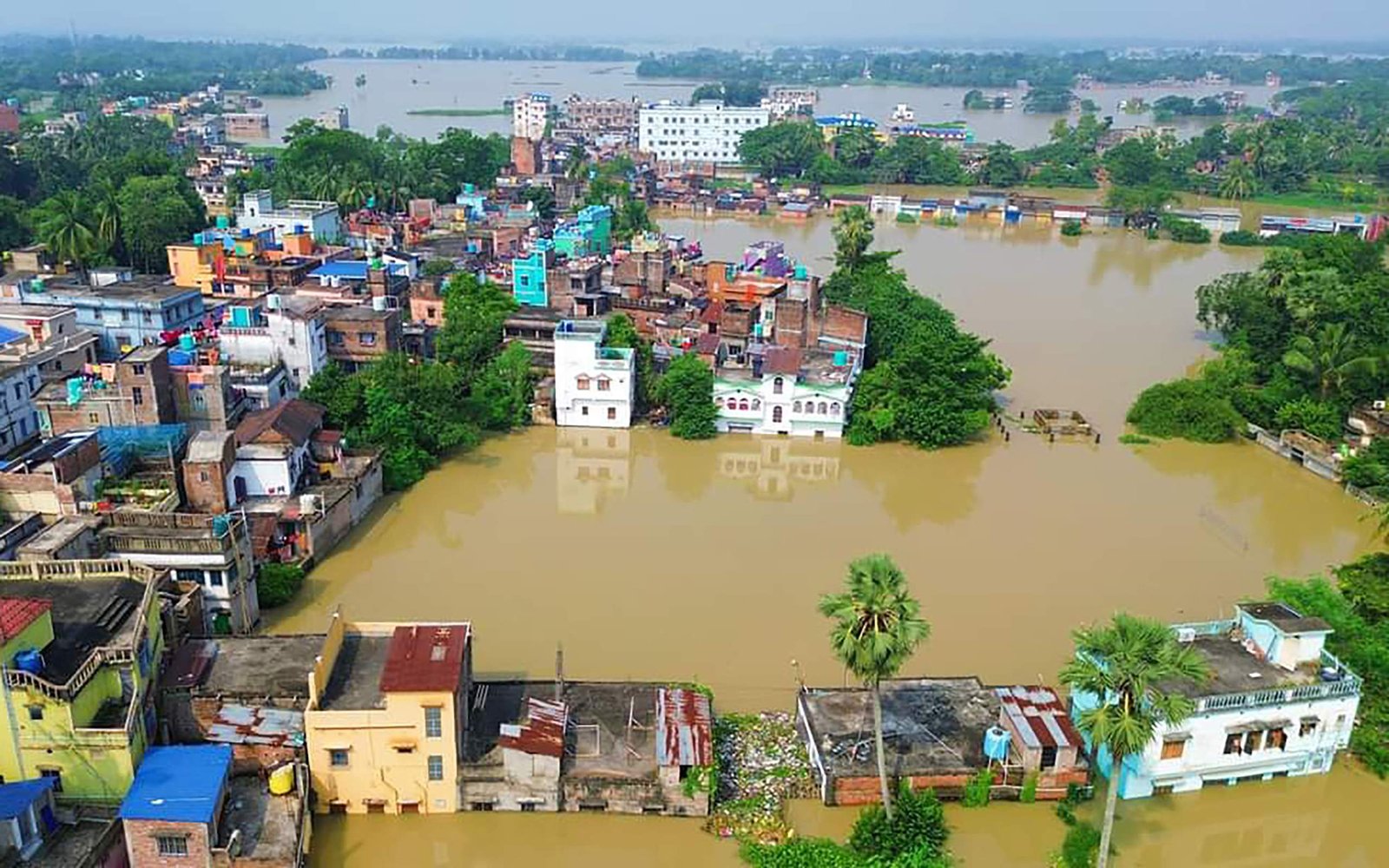
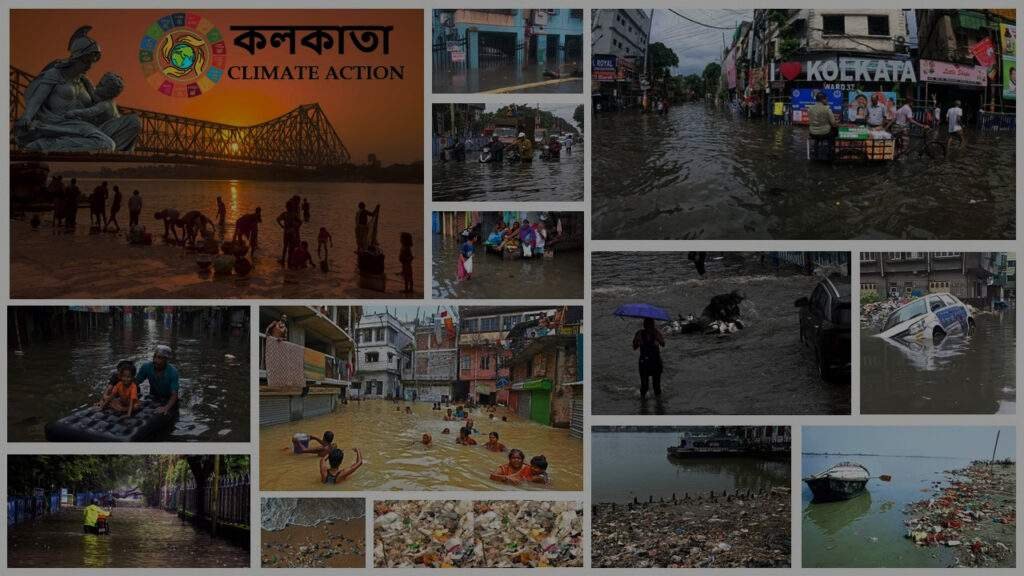
Kolkata’s floods reveal a deeper crisis—climate risk rooted in weak urban governance. As a 334-year-old heritage city facing rising heat, floods, and loss of wetlands, its challenge is to blend global science with local wisdom to build resilience without erasing its historic identity.
Why the Environment Often Takes a Back Seat
AUTHOR: Soumen Basu West Bengal Biodiversity Board In the year...
Read MoreMahua— A Potential Game Changer of Community Livelihood

AUTHOR: Soumen Basu West Bengal Biodiversity Board India with around...
Read MoreEmpowering Tribal Farmers with Indigenous Seeds: A Step
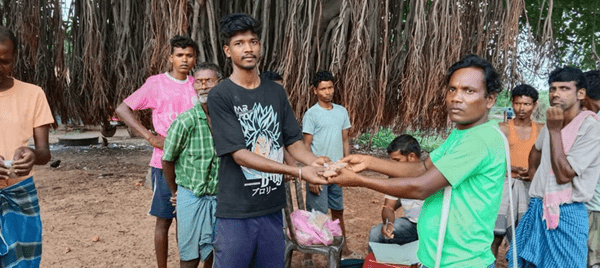
At Eco Tribe Foundation, our mission is rooted in the...
Read MoreEmpowering Communities: How Eco Tribe Foundation (ETF) will
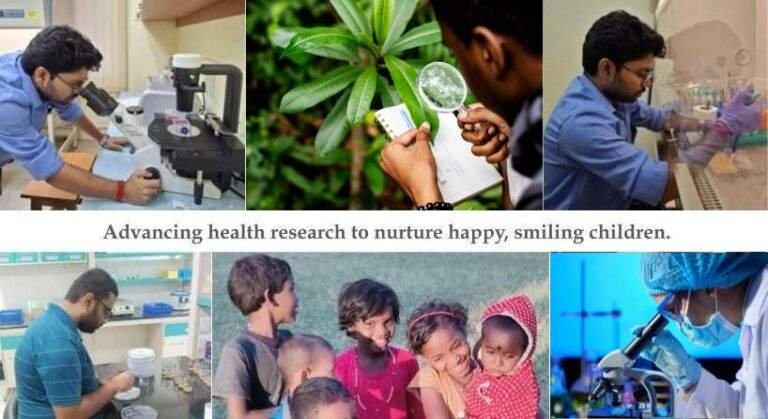
India’s healthcare system is changing quickly, and ETF will be...
Read MoreHarnessing the Power of Agro Beneficial Microflora: A

The world’s growing population demands increased food production, but conventional...
Read MoreOur Unique Approach to Sustainability

Regenerating Land, Sustaining Lives and Protecting Biodiversity
Integrated Community-Based Programs
Rural Health Research
Industrial Development
Climate Change Mitigation and Adaptation Strategies
Transforming Waste into Resources to Drive Sustainability and Economic Growth
Disaster Risk Reduction
Scientific and Industrial Research


OUR STORY
The Eco Tribe Journey
Eco Tribe Foundation has pioneered an approach that melds indigenous knowledge systems with cutting-edge technology to develop enduring solutions for complex environmental and social challenges. Working directly with farmers and tribal populations, the Foundation fosters biodiversity protection, enhances crop productivity, and develops stable food networks while respecting cultural traditions. Our multidimensional framework addresses biodiversity preservation, regenerative farming practices, water resource stewardship, waste valorization processes, climate adaptation strategies, and economically sustainable livelihood opportunities. Underpinning these efforts in scientific and industrial research based on lab to land approach and community-based crisis, which validates traditional practices, optimizes technological applications, and ensures the scalability and long-term effectiveness of the Foundation’s interventions.
The Foundation’s operational framework is grounded in principles of environmental sustainability, community self-reliance, and social inclusion, enabling it to serve as a catalyst for balanced development across various sectors. These include indigenous wisdom preservation, women’s economic empowerment, disaster readiness, alternative energy adoption, healthcare access, educational enrichment, and integrated farming systems. Through this coordinated, systems-based approach, the Eco Tribe Foundation is creating durable positive outcomes by supporting communities that flourish in harmony with their natural surroundings, thoughtfully blending time-honored practices with appropriate contemporary innovations, and comprehensively addressing all 17 Sustainable Development Goals through its holistic and integrated initiatives.
Our Fundamental Goals Towards a Sustainable Future
We are committed to promote ecosystem balance, community resilience initiatives, and sustainable development through the following key initiatives
1. Biodiversity Conservation
2. Sustainable Rural and Urban Livelihoods

3. Regenerative and Chemical-Free, Sustainable Agriculture Practices
4. Food and Nutrition
5. Health and Family Welfare
6. Education and Literacy
7. Scientific and Industrial Research for Socio Economic Development
8. Climate-resilient Socio-economic Practices
9. "Waste to Wealth" Initiatives
10. Animal Welfare, Livestock Management, and Aquaculture
11. Women Empowerment
12. Anthropological Conservation

13. Government Linkage

14. Composite Farming Practice
15. Integrate traditional knowledge systems with modern science
Loading weather data...